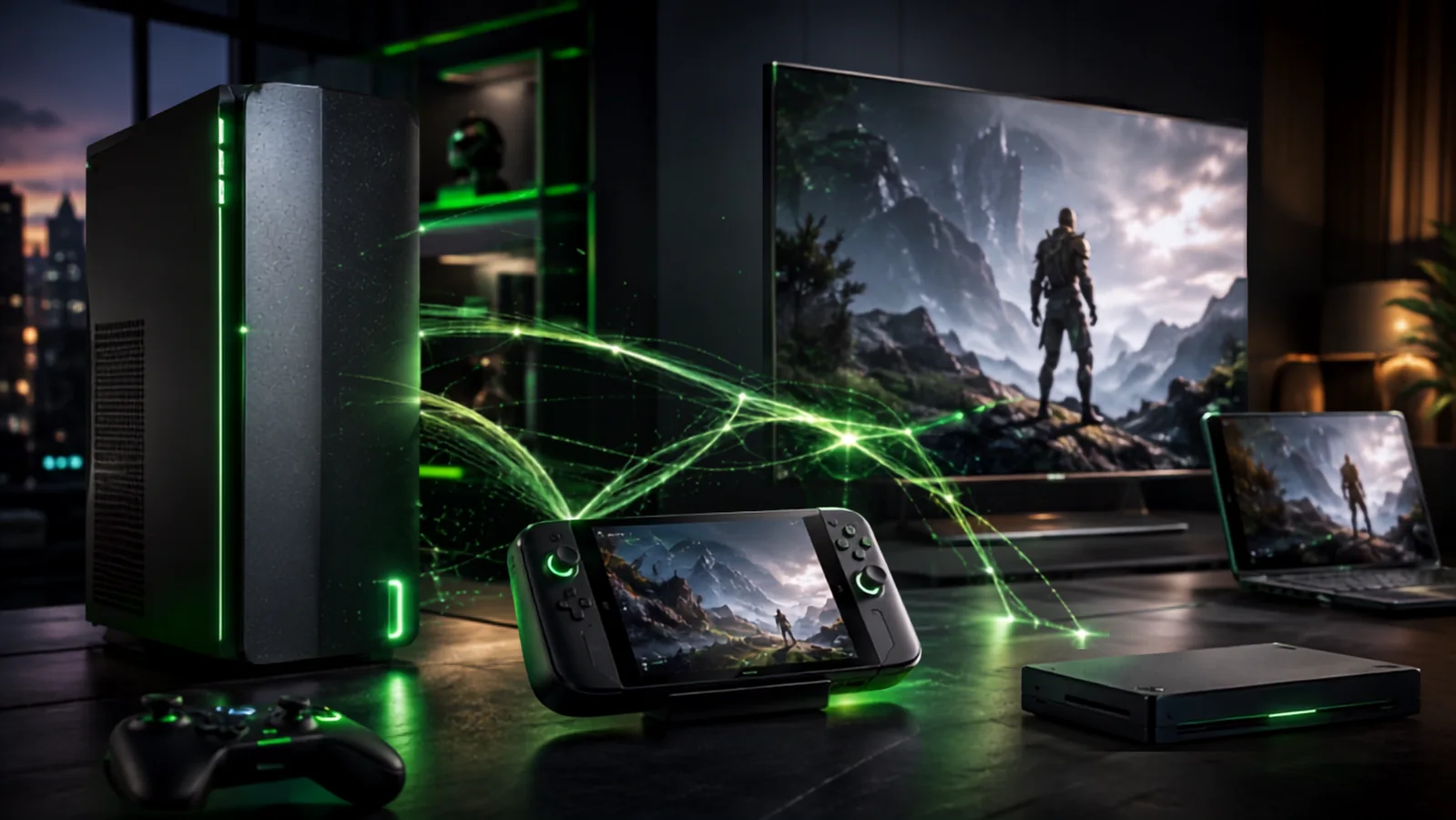
Microsoft has given its clearest indication yet that the next generation of Xbox hardware may be broader than a single living-room console. Xbox CEO Asha Sharma described Project Helix as a family of devices in an interview with BBC News, expanding on Microsoft’s earlier description of Helix as its next-generation Xbox console.
The wording matters because Microsoft has spent much of 2026 pushing Xbox beyond one box. Project Helix was first detailed at GDC in March as a first-party console built around a custom AMD system-on-chip, stronger ray tracing, support for Xbox console and PC games, and developer hardware planned for 2027. At the time, the company framed Helix primarily as a console. Sharma’s newer comments suggest the name may ultimately cover more than one form factor.
Microsoft has not announced what those devices are, how many will exist, or whether every Helix product will be a traditional console. Sharma also did not answer whether the next Xbox will be disc-free. That leaves room for several possibilities, including different console tiers, handheld-style hardware, or other devices built around the same Xbox platform. For now, anything beyond the phrase family of devices is speculation.
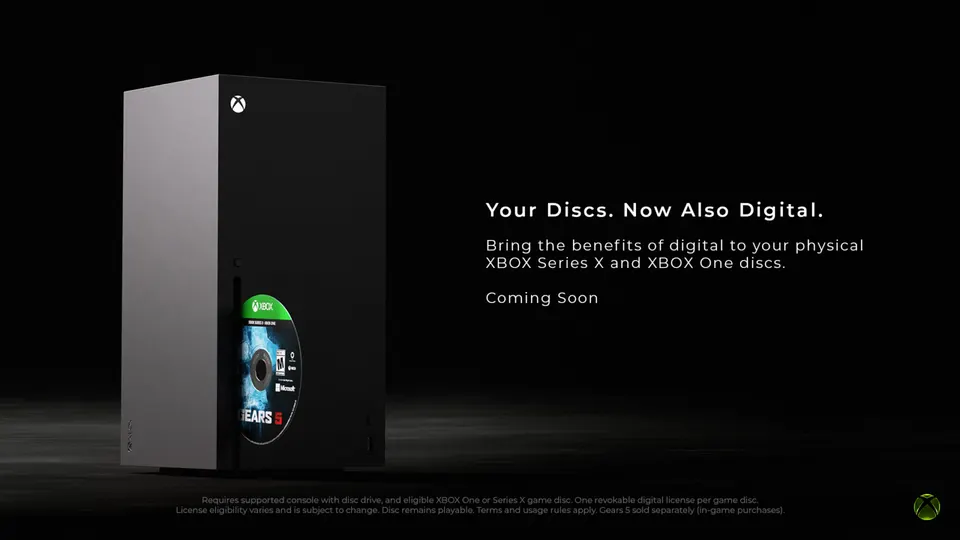
The timing makes the comment especially interesting. This week Xbox announced a new disc-to-digital program designed to let players convert eligible physical Xbox games into digital licenses. Microsoft says the goal is to help libraries move forward across generations, and the company has repeatedly emphasized compatibility with games spanning four generations of Xbox hardware.
That does not prove Project Helix will abandon discs. In fact, Microsoft has avoided confirming that. But the combination of a family-of-devices strategy and a system for preserving disc purchases digitally points toward a future where Xbox wants a player’s library to matter more than the exact device they are using.
Microsoft’s broader Xbox strategy already leans in that direction. In April, company leadership said Xbox would focus on hardware, content, experience and services while making the platform more open across console, PC, mobile and cloud. The company has also expanded Xbox Mode on Windows and continues to push Xbox Play Anywhere as a way to carry purchases and progress between screens.
The next big question is how Microsoft balances that flexibility with the identity of a dedicated console. A family of devices could give players more choice, but it also risks making the next generation harder to understand if the lineup becomes too fragmented. Price, performance, physical media support and compatibility will likely decide whether Helix feels like a clear new generation or a collection of overlapping Xbox hardware.
For now, the most important confirmed detail is simple: Project Helix is no longer being described only as one console. Microsoft is talking about a next-generation family, and that could be the strongest sign yet that the Xbox hardware roadmap is about to get much wider.